Showing posts with label review. Show all posts

Wednesday, April 22, 2015

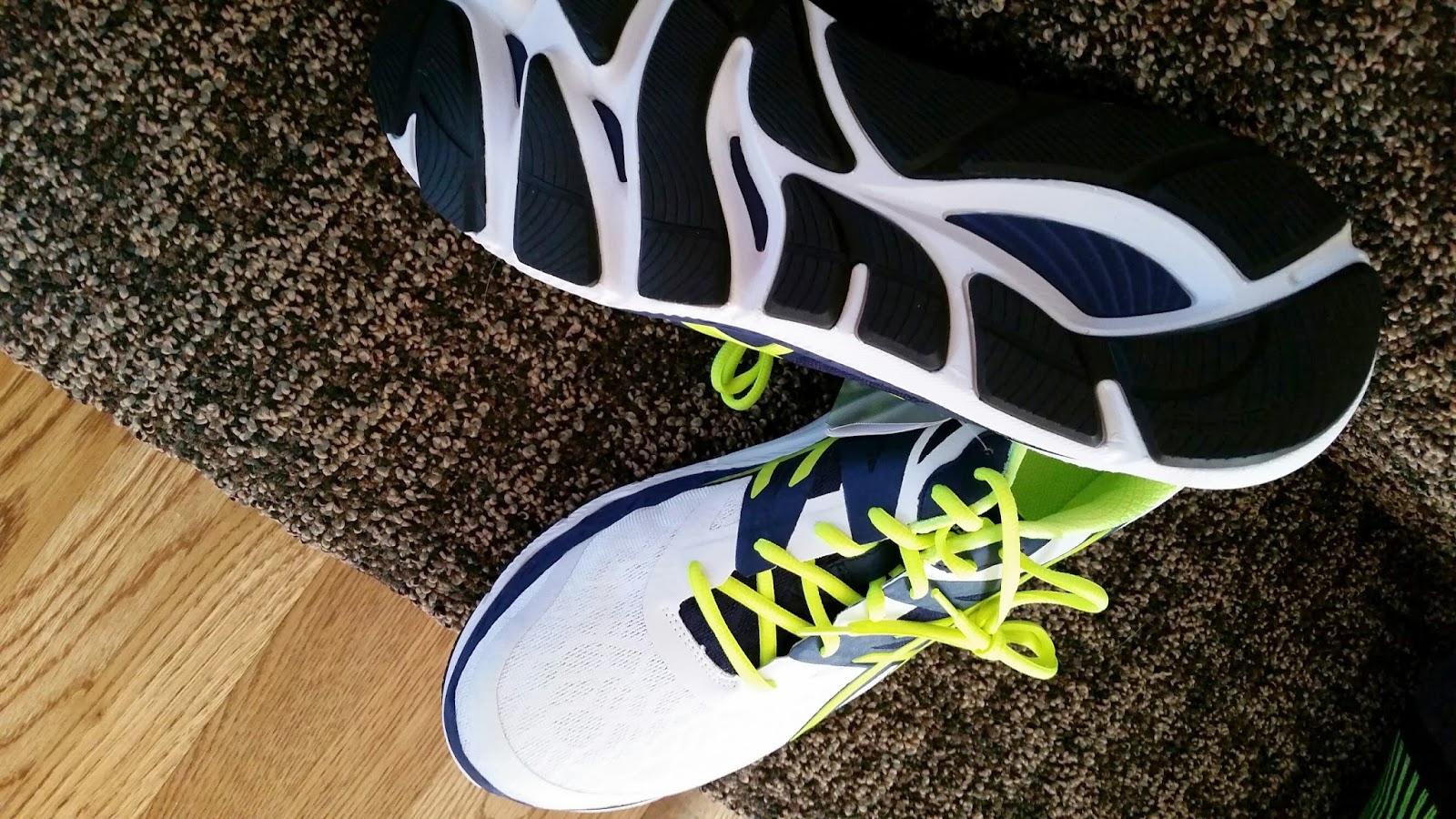
ASICS 33-M Running Shoe from CitySports.com Review

There’s so many ways to go when runners and triathletes are looking for shoes. We’ve tested several makes and models for which many manufacturers produce to address every category dreamt up, and some that have never been thought of until the shoe was made. Not all shoes are the same across a genre, and not all athletes can use just any shoe. Many learn painful lessons that just because a shoe is the latest and greatest and has the highest price tag, it doesn’t mean that’s the magic shoe to end all foot pain and running issues.

CitySports.com reached out to us to review their latest “natural” ASICS running shoe, the 33-M. The 33-M is built for the natural running experience to lessen interference from the shoe to the body’s running form, assuming it’s a normal pronation and doesn’t need any work per say. With our test pair, we logged nearly 100 miles over six weeks and you can read on for our take from an everyday age grouper on how the 33-M stacks up in the real world.


SPECS

  • The 33-M sports the following tech details:
  • 4mm Platform / Drop
  • Solyte Midsole with Amplifoam Layer
  • Comfordry Sockliner
  • Seamless Upper Construction
  • Natural Running Experience / Under and Neutral Pronation
  • Natural 33 - Heel Fit & Toe Box
  • 10.9 oz
  • Heel Height : 24 mm
  • Forefoot Height : 20 mm
  • Durasponge Outsole


APPEARANCE

At initial glance, the one stand out feature is the actual sole thickness at the rear supporting the 4mm platform drop. If you’re looking to squeeze in a few inches on your online dating profile, the 33-M is your shoe. You might feel as if the ground is a little further away with these bad boys, and you wouldn’t be far from the truth.

Aside from the robust soles, the ASICS 33-M’s we tested were the White / Flash Yellow / Navy style. There are other colors out there, however it appeared that City Sports carried this style in particular. The white is sharp and eye catching to say the least. We immediately got comments on how attractive and appealing the 33-M’s were. One drawback on the white is how fast they will attract dirt and smudges. Naturally if you run outside, you might run into some dirt, water or mud. With a white pair of shoes, it’s going to happen. If you are worried about keeping your shoe investments as pristine as possible, one option would be to limit usage to indoors on treadmills. Lets be honest, shoes are meant to run in and they will get dirty. Accept it. Even after 100 miles of street, track and treadmill running, our white 33-M’s were not any dirtier than other white running shoes.

The overall construction of the shoe is cohesive and doesn’t suffer when you enter the larger sizes. You big foots out there know what we mean when you order that awesome looking pair of shoes online only to get them and have them look distorted when in larger sizes than the nice pictures online. The 33-M’s don’t look odd in the larger sizes.


PERFORMANCE

If a running shoe doesn’t perform the function is was designed and purchased for, then that was a waste of money, right?

In our 100ish miles of testing, we ventured runs on streets, sidewalks, treadmills, long runs, tempo runs, easy runs, interval runs, brick runs and dog walking. We even ran in the rain with our 33-M’s and lived to tell the tale. We also stuffed the 33-M’s in duffle bags for travel and crammed them into airplane overhead bins. You know a shoe is resilient when it rebounds to it’s original shape after 10+ hours being in luggage.

Thoughts of note:
  • Sole degradation was minimal. Wear and tear on the sole and stitching was not an issue as not one seam had popped or piece of rubber had peeled.
  • Being designed for under or neutral pronators, the 33-M’s are aimed at a specific running segment, which means they aren’t for everyone. If you overpronate and roll your feet too much, the 33-M’s might hurt you in the long run. We have a tendency for overpronation and after long runs, we would experience hot spots on the balls of the big toe and in the arch area. No blisters came of it, but we could tell it would be an issue if this was our full time shoe. But, this could also offer a “cross training” opportunity for non-under or neutral pronators to use a shoe that works muscle groups left unaddressed by stability or motion control shoes. In moderation and under controlled usage, varying shoe types could potentially be used to promote strengthening of weaker muscle groups and ligaments similar to trail running and other variations of running. It’s not something to switch to 80% of the time, but may be a good option for one or two shorter runs a week to work on stabilizer muscles.
  • We are guilty of nasty heel striking. It’s just there after years of running and various PT sessions. We’ve coped with finding the right shoe combination and training regime that allows us to stay injury and pain free. One item of concern was the return of heel pain after using a non-stability shoe like the 33-M. We were pleasantly surprised that no heel pain was present after runs and non-existent the mornings after long runs, which was the worst times for heel pain. Also keep in mind that we did not switch to exclusive use of the 33-M’s, but rotated them in with our other trusted shoes.
  • The 33-M’s actually felt heavier than our trusted styles, but at 10.9 ounces, they were right on target or actually lighter than other styles we use on a consistent basis. For some reason it was deceiving while wearing the 33-M’s, and we don’t really have an explanation.


CITYSPORTS.COM EXPERIENCE

We would be remiss if we didn’t give some review love to the store that set us up with our test shoes. CitySports.com is an actual brick and mortar store in Boston that has developed into an online entity selling quality apparel. They shipped the ASICS 33-M’s free of charge (normally $6 for standard ground) and from order confirmation to shoes at our door, it was around 3 days to get our kicks. The box comes wrapped in plastic to protect is from the elements and comes with a printed receipt in the need of returning the shoes. They offer a 30 day refund policy for online buying as long as you meet their conditions for a return.


COST

The 33-M’s don’t come free. Depending on the source, the 33-M’s run from $125 to $139.99 before tax and shipping. That’s a nice chunk of change, but when you’re buying the latest and greatest in running tech, you’re paying for what you get.


SUMMARY

Overall the 33-M’s appear to be a solid shoe. They are reliable and have been built to withstand some serious punishment.

They are geared to a specific market. The natural running experience is their target, and that may not work for everyone. It’s not to say the 33-M’s wouldn’t serve a purpose, but it’s a large price tag to add a part time runner to your closet. But, ASICS and CitySports.com have several options to address your needs. We just reviewed one of them.

Will we continue to run with our 33-M’s? Yes. They offer the ability to target weaker running muscles groups, therefore proving useful in the war on triathlon. They may not serve as everyday race flats, but they made the rotation.

Would we continue to buy more 33-M’s after our test pair gets retired? Probably not. It’s not a knock on the shoe, but a testament that needs of runners are very unique to the individuals and not just any shoe will fill that need.

We would definitely recommend checking out CitySports.com for future purchases. They have been very reactive to our questions and concerns and seem to care about online customers. They want you happy with what you buy from them. The order process is smooth and it’s not a fly by night operation that may go offline at any time.

For those that made it this far in the review, reward yourself with 20% off the ASICS 33-M with code “TRI20” at CitySports.com.

* Writer's note - City Sports provided the products for this review at no cost and did not influence this review.

Wednesday, February 18, 2015

ASICS Gel Lyte33 running shoe review from weekend Ironman Triathlon warrior

ASICS was kind enough to shoot over a pair of Gel Lyte33's that we tried out. After a couple of months on the road, paved trails and treadmills, here's a look from an every day triathlete.

Fashion / Appearance


The Lyte33’s are visually appealing. Some styles actually turn a little ugly in the larger sizes, but these were beauty's in size 12. The layout of the patterns meshed well together and avoided the appearance you might think with a Ford Mustang front end and a Ford Futura rear end; just wrong. Not the Lyte33.


They have style. We tested out the red traced with black that are comfy and stylish enough to wear out for casual outings aside from hill repeats or AT intervals. Asics offers a wide variety of colors to assure you have the right shoes for your personality or color requirements.

They do have that twist that comes with the lightweight running shoe line in appearance. It’s a combination of a casual shoe and running shoe that harkens to the crossover car market. It takes a little appreciation and acceptance from that diehard running shoe enthusiast.

Form / Construction


From ASICS.com, “The GEL-Lyte33 gets serious about weight reduction, dropping almost two ounces for a truly lightweight natural running experience. The GEL-Lyte33 is updated with a nearly Seamless Upper and Solyte® Midsole to maximize performance while minimizing weight. Built with FluidAxis designed for underpronators and neutral runners. Weight: 6.8 oz. Heel Height: 17mm. Forefoot Height: 11mm.”

Note that the Lyte33 is built for lightweight features, but contains the ability to be used for underpronators and neutral runners. We’re not sure about the rest of you, but very few triathletes and runners have perfect running form and when balancing work, life and training, few have time to correct bad form issues. It’s good to know that if you prefer lightweight shoes, you don’t have to give up functionality to assist with your running shortcomings.

On the outside, the overall construction looks solid. After over 200 miles of running on streets and treadmills, our tested Lyte33’s are still holding up, a testament to being designed to withstand the test of time and miles.

Fit / Function


Like we mentioned, we have tested out these Gel Lyte33’s for over 200 miles over a span of 6 months. They were used in a running shoe rotation from 3 mile easy runs to 16 mile long runs, pavement and treadmill runs. They were given the royal treatment and spared from no expense.

The soles showed minor wear, but held up overall over the pounding. A successful indicator of a well built shoe is the ability of the sole to stay adhered to the actual shoe. Nothing’s worse than that flopping toe deal after the shoe starts falling apart.

The insole stayed intact and another indicator of good construction is the printed images didn’t rub off after a few outings. The insole held its shape for a good duration of the 6 months of abuse. Towards the end, it probably could have used a refresh replacement.

We did notice a little less bounce back from the sole at the end of our trial. As with most running shoes, the recommendations are to replace the shoe near 6 months or a couple hundred miles of running, depending on make and model.

We have a notoriously bad running form, so to go to 100% lightweight shoe for running just isn’t a reality. We mixed in GT 1000’s and 2000’s with some other running shoes in a two shoe rotation to mix it up. More akin to the idea of running trails every now again to strengthen ankles and various other running muscles, using different styles of shoes in a controlled approach could theoretically yield strengthening in weak running areas.

There is a noticeable difference in weight going from a traditional running shoe or shoes meant for stability or to correct other run form issues. The Lyte33’s were, like the name implies, lighter. It was like wearing a neoprene swim bootie on your foot, but with a sole and laces. They are not rigid and very comfortable, even after a 16 mile run.

Cost


Shoe prices are getting out of hand, which is why it’s refreshing to see the Lyte33’s started at $90 and now run for $55. We suspect they might not have taken hold as hoped for, as color and sizes are limited these days.

But don’t let that dissuade you, the Lyte33 shoes are worthwhile as a solid option in your running shoe rotation. Similar to cross training to work often unused muscle groups beyond the basics swim, bike and runs muscles, they Lyte33’s can be used in moderation to work on muscles long forgotten thanks to shoes that almost run for you. They work great for strength training footwear and you don’t even need to change shoes if you run a couple miles after a lift for cool down. For $55, you can’t get much better quality for long lasting shoes.

Final thoughts


The Gel Lyte33’s are geared for lightweight running shoe enthusiasts. They have design characteristics that can carry them over into the mainstream running community, but with caution and controlled regimes.

The price has dropped since their initial release, which makes them a great deal for what is actually a solidly built shoe. If you have foot issues or bad run form (like 90% of us), don’t lose hope as the Lyte33’s were made with you in mind. It may not be an everyday option, but it is definitely a good shoe for shorter workouts and a savior and break for your long haul shoes.

Take a look.

Disclaimer


* Writer's note - Asics provided the products for this review at no cost and did not influence this review.

Monday, December 29, 2014

Review of @ClifBar Builder's Protein Bars

If you pay attention to your Facebook or Twitter feed, you undoubtedly see all kinds of add and posts about the need for high levels of protein in your diet. Whether you’re a weekend 5ker, Ironman, cross fitter or obstacle course racer, every fitness related food maker and their dog are racing to get their latest and greatest protein products in your hands. If you’re at all interested in eating better to go along with all those hours you swim, bike and run, then you have probably realized the importance of eating the right combination of fats, carbs and protein. It’s not just about the protein. It’s a delicate dance of factors from desired weight to expected race performance. If you’re not fueling the engine right with more than just protein, it doesn’t matter how many hours you train to reach your goals.

No doubt you also like to enjoy your snacks rather than just get the essential nutrition out of them, unless you’ve really bought into paleo and want to eat like a caveman. What can make the task of proper fueling even more difficult is the specter of the average triathlete being on the go with work, family and friends. Not everyone has easy access to a kitchen with whole food ingredients at their fingertips for every meal. Most need a convenient meal on the go that won’t make a mess that they can jam in their face between meetings in the morning or afternoon.

CLIF bar was gracious enough to send a sample of Builder’s Protein Bars for a review as an alternative for easy access to good fuel with a handsome dose of protein.

Read on for our take on the 8 flavors minus the new chocolate hazelnut of Builder’s Bars that CLIF sent us.


Packaging / Shelf Appeal / Marketing


When you hear the name, “Builder’s Bar”, we immediately think of that body builder dude pumping iron at the gym, screaming at the top of his lungs for that last set of 300 pound bench presses. So yes, the bar might be geared for muscle heads looking for protein substitute instead of raw meat, but for triathletes spending some hard time working out at high intensity levels, they need that protein as well to repair and feed muscles. When you see the bars, they are packaged in a powerful wrapper that’s bold and attention grabbing, like the name. Who doesn’t like something shiny to unwrap? It’s also convenient to throw in a gym bag or the glove box (careful as they will melt on hot days) and not lose track of. The package won’t tear or snag as it’s sturdy construction.


Form / Construction


When you open the Builder’s Bar, the majority are chocolate flavors, so they appear similar to your standard candy bar with a chocolate coating and a crunchy bottom layer. For those that like the crunchy candy bars, it won’t be far off. They are not the other protein bars that are solid and chewy that sometimes can get gritty as you break them down to be able to swallow.


The Builder’s Bars weigh in at 270 calories or so per bar. Of that, 9 grams is fat, 29 grams is carbs and 20 grams is protein if you are keeping count at home. So, don’t just add the Builder’s Bar into your daily diet without planning. It’s almost half a decent sized meal to begin with. It has a good protein to carb ratio, but it will steal some calories from your daily meal planning. That may almost be more than most candy bars calorie wise, but you will get around 40 grams of carbs and 4 grams of protein from a candy bar which is hardly the proper nutrition for an athlete or fitness minded person.

An important item of note is that the bars have zero grams trans fat and does not contain partially-hydrogenated oils or high fructose corn syrup. In today’s ever over engineered food work where taste and profit are king, some are still finding ways to deliver good food without all the crap.

Fit / Function


Yes, they have a good chunk of protein, but do they deliver on taste and fill you up / fuel you up / help you recover like you would anticipate?

With protein bars, taste and texture are the big hangups. Everyone wants the benefits of the protein, but not everyone appreciates the method of delivery. While Builder’s Bars aren’t going to be as tasty as a Snickers bar, they are much better than some chewy protein bars on the market that get all grainy after chewing on each bite for 5 minutes to break it down enough to swallow. They taste like the flavor printed on the package and have a nice crisp texture that doesn’t require jaws of steel. The real issue is limiting yourself to one bar and not using them as a go-to snack substitute or dessert item.

They do fill you up for the short term, which makes them a great snack item between meals. Used before a cardio workout or after a strength workout, they can be key meals to keep your body fueled and reduce injuries from undernourished muscles. We would not recommend the Builder’s Bars as a meal substitute unless you are in a bind. They just won’t fill you up for hours on end.


They have 9 flavors currently to choose from, so if chocolate isn’t your thing, you have options. They are great for throwing in your gym bag for a pre or post workout snack and they even stay in one piece in bags being thrown into your car or jammed in a gym locker. They only drawback will be on hot days, they will melt and make a mess. Best is to not leave them sitting in your car during the summer.


Cost


You could spend $1 for a snickers, or $1.50 (online) for a Builder’s Bar. At the convenience store, you might pay a little more if you’re in a pinch, but plan ahead and you should be ok. That’s one catch with Builder’s Bars, they aren’t cheap, but they can be less expensive than other protein bar alternatives. Some can go from $2 to $2.50 a bar online, and even more in the brick and mortar stores.

You do get what you pay for. You may end up spending more for a Builder’s Bar than a candy bar, but you’ll get higher quality nutrition and not a crap sugar load.

Final thoughts


You know you have a winner when you review a product and you end up buying it outside of the review with your own money. We have since stocked up on Builder’s Bars to be proactive and get them at a reasonable price instead of convenience store prices. One a day will do it, as they do consume a large chunk of calories, but when you need 170 grams of protein a day, and you don’t want to get it all through egg whites and tuna fish, the Builder’s Bar is a good alternative. You just need to be careful about trading it out for other foods in your meal planning and not adding it on and expecting to lose weight.

Disclaimer


* Writer's note - CLIF Bars sent us the Builder’s Bars for this review and in no way influenced the review.

Tuesday, December 9, 2014

Quest Protein Chip by @QuestNutrition Review

If you’re at all interested in eating better to go along with all those hours you swim, bike and run, then you have probably realized the importance of eating the right combination of fats, carbs and protein. It’s a delicate dance of factors from desired weight to expected race performance. If you’re not fueling the engine right, it doesn’t matter how many hours you train to overcome that.

But, how do you make sure you are getting what you need from your healthy snacks without sacrificing taste and appeal? Not everyone can kick back a can of tuna and a cup of cottage cheese and “enjoy” it. We’re all human. We like to enjoy taste and texture of what we eat.

There are all kinds of approaches from paleo to all natural grass fed no antibiotic hand combed cows and chickens, but lets get real. This day and age, if you want unaltered ingredients or something “simple”, you’re looking at higher prices and something that virtually financially unsustainable for a family. If it’s not mass produced and chalked full of preservatives for shelf life, it’s going to cost more.

In the never ending quest to find healthy snack alternatives, we found Quest Protein Chips. It’s kind of an oxymoron when you first come upon them. We found them at our gym and decided to buy a couple and give them a spin. We’ve heard of the bars they produce, and my wife loves them, but we were skeptical that a chip could be advertised as healthy.

Read on for our take on the Sour Cream and Cheddar and BBQ flavors.

Packaging / Shelf Appeal / Marketing


The packaging and images actually make you want to eat what’s inside. Not all health foods or those that pretend have the right marketing scheme. Some throw pictures of mascots and other junk not even related to the food inside that distract you from the real mission, finding quality food.

The picture on the package is pretty true to what the ships look like, unless your 4 year old sat on the bag in the car or punched it out of your hands when they were impatiently waiting to leave the gym waiting on you to pay for the chips. It happens. They still eat the same as whole chips or crushed pieces.


Form / Construction


Where the rubber meets the road. Are they full of crap? Do they have the advertised 21 grams of protein per serving and double the carbs? What are you getting for your $2.99 at the gym counter?

INGREDIENTS: Protein Blend (Milk Protein Isolate, Whey Protein Isolate), Dried Potatoes, Corn Starch, High Oleic Sunflower Oil. Contains less than 2% of the following: Tomato Powder, Onion Powder, Paprika, Garlic Powder, Spices, Salt, Paprika Extract (Color), Yeast Extract, Calcium Carbonate, Natural Flavors. CONTAINS: Milk Derived Ingredients

The bags say right on the front : NO SOY, GLUTEN FREE, 5G CARBS, 21G PROTEIN, BAKED NEVER FRIED


Pretty much all you need to know is on the front of the bag, but for you macronutrient counters, they have in 32 grams per serving (1 bag), 120 calories, 2g of fat, 5g of carbs and 21g of protein. For a quick snack on the go for the fitness types, that’s a quality 120 calories. I know I’m always looking for meals and snacks that won’t blow the calorie budget that give me my best protein ratio. Compare that with a not-to-be-named baked BBQ chip, 28g serving, 120 calories, 3g of fat, 22g of carbs and 2g of protein. The fat looks good, but you’ve just broke the bank for carbs without much protein benefit. Get ready to skimp on dinner to save your day nutrition wise. Hello tuna on a plate...


Fit / Function


Do Quest Chips go down easy, or do you have to choke them down like so many chalky protein powders and drinks that are out there?


I’m here to tell you they taste as good as any chip out there. They have that baked / popped chip look and light density when you bite into one. They crunch and that sweet nectar of cheddar or BBQ that you crave will be there for the taking. Consider your craving for crap satisfied, but you didn’t have to sacrifice your soul for the nutritional deficit that comes with most chips.

Cost


Where’s the catch you ask? We get taste and nutrition!? Well, it’s not free. We paid for these out of pocket, no freebie reviews, and at $2.99 a bag at the gym, it can get pricey. Your generic chips can go around $4 for 6 to 7 servings. Quest chips are $3 for 1 serving. Eat wisely, my friend. You get what you pay for.


Final thoughts


We will continue to buy Quest Chips. Santa may even drop a few in our stockings. If anyone could benefit from a healthier chip, it would be the big man from the north.

The taste and texture is spot on, the shelf appeal is there. It’s got all of the right ingredients, but you will pay a premium for 21 grams of protein, only 5 grams of carbs in 120 calories. You have to decide that if your chip craving can be satisfied for $3 a pop. Used wisely, this is a great alternative for a midday snack, or a companion to your meal. It holds you over for a tough workout without being too full, and serves well as a post-workout meal to replenish protein to rebuild muscle. That’s a big benefit in the winter months as most multi-sport athletes head to the gym for strength and conditioning.

Grab a bag and try for yourself, just don’t sit on them.


Disclaimer


* Writer's note - We purchased the chips for this review and Quest in no way influenced this review.

Wednesday, July 16, 2014

Hatfield Foot - Calf - Stretch Strap review

Planters fasciitis is an ugly word in the world of triathlon. When you're out there pounding the pavement for hours on end during training and running anywhere from 3 miles to 26.2 miles on race day, you're bound to experience it in some form. Some people live with it day in and day out while others might see a flare up on occasion.

Regardless of how often and the severity you have or will experience it, it's a pain in the ass... or rather the foot.

Doctors and physical therapists will recommend anything from proper stretching to ART therapy to relieve the aches and pains, because as we all know, no triathlete worth their salt is going to lay off the training for things to heal up. You might have also seen the sleeping socks that pull the toes up with a strap connecting at the shin or other imaginative solutions. Any way you slice it, there are a lot of opinions on how to mitigate the effects of PF.

Why are we discussing this today you may wonder? Well, the inventors of the Hatfield Strap (http://hatfieldstrap.com/) reached out to us to test out their calf stretching product. We have had our fair share of PF issues and could certainly extend ourselves to test out their torture device. Read on for a look at our thoughts about the Hatfield Strap.

Packaging / Shelf Appeal / Marketing

The box is professional and sharp in appearance, definitely not something someone put together in their garage. You open it up to find your Hatfield Strap with sewn in handles and a shoulder extension strap for any more variation when using. You will as also find some limited instructions with pictures to illustrate how to use the strap. What's also a nice side benefit is the box not being totally destroyed in the process of extracting it for use. Makes for convenient storage later.


Form / Construction / Fashion

When you examine the strap, it's made of sturdy nylon similar to what you would find for construction safety harnesses for workers in high risk areas. It's pretty obvious that's their nothing you can do with your bare hands to break the strap. The seams are hardcore stitching that could probably support the weight of a truck. Rest assured you're not going to anything under your own strength to tear this strap apart.

It's a unique design that allows adaptation for several body shapes and sizes. There might be a few body types that might not fit, but 98% of us triathletes will fit. The adjustable clips can be tightened down to hug the upper calf below the knee for a snug, but not painful fit. They thought of pretty much everything down to the soft pads built into the back of the leg straps so the plastic clasps don't cut unto your skin.

Fit / Function

At first, it's an art form and delicate dance to balance your foot on the strap and find the right position to apply pull force without your foot slipping out. You can't jam your foot in a hurry and hope it works right. That being said, once your foot is positioned correctly, then you can apply as much force as reasonably possible to get a sufficient stretch. The handles are large and provide ample grip to pull with effort and not having to worry about them slipping out of your hands.

The only notable issue we had was with the adjustable straps on the upper calf. We had to pretty much cinch them all the way to get a secure grip to pull against. Even with fully cinched straps, it would slowly slide down our leg if you didn't compensate for it by adjusting leg position or force pulling on the handles. The Hatfield Strap does come in multiple sizes, so make to make a proper selection that will ensure the best fit.

But, we still got ample force to get a good stretch on the calf, relieving some of the achy PF soreness before and after our Ironman Texas attempt and Ironman 70.3 Kansas race. We used the Hatfield strap for a couple of weeks and we noticed an immediate difference. The impact of the effectiveness came in the morning as a lot of PF sufferers will attest to that being the most painful times. After using the strap the night before, we experienced around a 50% decrease in morning heel pain and stiffness. Isn't nice to get to the potty for that morning pee without hobbling and pain? We thought so.

We did experience the same level of issues if we did not use the Hatfield strap. To put it into simple terms, if you don't use it you lose it. We found that if use is discontinued, the relief went away as well. The strap is not a cure for the root issue be it an injury, bad running form, worn out or ill fitting shoes or something else, we found. It gives you relief, but only if used on a consistent basis.

Cost

Now, would we have sought out the Hatfield strap on our own? Perhaps. We have bought several products for PF relief in the past and spent time in a PT office, so the drive to spend money in this area is there. The Hatfield comes in at $35 to $90 depending on style and accessories. In reality, that’s not all that bad for the durability and quality that you get. $77 would get you the calf strap and shoulder strap we tested out. You could pay at least that for most stretching and pain relief apparatuses anywhere.

You will be limited on options where to buy the strap as they are only sold on their website at the moment.

Final thoughts

When the dust settles, the Hatfield Strap is worth your consideration when it comes to PF relief or getting the most out of your calf stretching. Sufferers of achilles strain would also appreciate the effectiveness of the Hatfield Strap. The price might be a bit extreme (based on your perspective) based on all of the options you want, but you could end up with a great passive stretching (using the shoulder strap) that you could use while recovering with a good book, watching tv or writing product reviews. You'll also receive comfort in knowing the strap will outlive your racing days as the quality construction is first rate.

Disclaimer

Writer’s Note – Hatfield Strap sent us samples for this review and in no way influenced the review.

Wednesday, April 23, 2014

Power Crunch energy bar review and Raffle! #Triathlon #charity #CHDawareness

All triathletes have been put on the spot before or after a workout looking for the right fuel or recovery snack. We might even be pressed to find something in a pinch to gobble down for in-workout fueling for long days. We don’t always have the luxury of being at home to raid the pantry or time to cook something up for a proper workout snack, be it before, during or after the workout. Heck, it doesn’t even have to be a workout day and you might find yourself with an angry gut wanting sustenance but you don’t want to raid the candy machine for crap food.

What’s a health conscious endurance athlete to do for those healthy on the go snacks? There’s a LOT of choices out there. ClIF bars, Kind bars, Picky bars and so many others you can’t count them on all of your fingers and toes. Beware that while some bars contain natural and healthy ingredients, moderation is key. If you’re snack bar is 700 calories and you’re wanting to maintain “race weight”, it may not be the best option for your 10am snack, or you will have to raid calories in other meals to balance your daily intake.

And what about protein? Exactly, what about it? Paleo, South Beach, Shakeology and so many other plans out there thrown into the faces of health minded triathletes. What you will find with most bars labeled protein is a high carb count to go with that. You have to be very careful of what you’re eating as there are very few products that come with high protein and few carbs.

In our eternal quest for the perfect protein bar we found Power Crunch. Well, rather they found us and offered an assortment of Power Crunch energy bars to try out for a review. After eating our fair share (all of them they sent us), we have a few thoughts we’d like to share.


Packaging / Shelf Appeal / Marketing

Power Crunch has come out in a big way. They are pretty much a staple at any gym snack bar and can be found in most food chain stores. Health stores, gas stations and more all carry Power Crunch.


The wrappers are clean and appealing. They catch your eye, but aren’t obnoxious. One wish list would be something more eco-friendly than the standard foil wrappers, but that’s splitting hairs. The other catch is you may not find the flavor you are looking for as shelf space might be limited.

Form / Construction

When you open your Power Crunch, it’s a wafer based bar. It was actually refreshing to find a self proclaimed energy bar that wasn’t the consistency of a fudge bar. So many energy bars are dense and gritty and Power Crunch is not. It’s reminiscent of the vanilla wafer days as a kid, but a little healthier.

Sorry those that are lactose intolerant or allergic to peanuts. Most bars have both of those ingredients but some are gluten free, if you’re looking for that. If you’re into the science, you can read up on the ingredients of each bar to find one that’s right for you and read up on Power Crunch’s unique form of protein called “hydrolyzed whey protein.” We won’t dive into that here, but what we will draw attention to is the ratio of protein to carbs per bar and what the calorie content is.

We are always looking for low calories, high protein options for our endurance lifestyle and were very excited to see that Power Crunch in general carries 14/8 protein to carb ratio around 200 calories. Competitors can get to 22/30 ratio with 270 calories with 80 calories from fat. Do notice though that around 115 calories are from fat for Power Crunch depending on the type of bar. They are using stevia leaf extract for sweetening, but still carry a decent amount of fat content which could be a good fuel source to train your body to work from on long distance training. It all depend on your take of training and fueling methodologies.

Fashion / Appearance

Power Crunch bars are appealing. You open up the wrapper and find a delicious looking wafer bar either with either a small coating or completely covered bar of “glaze”. They look like they were made by someone who knows what they are doing and not someone in a garage with a chemistry set. When you open one up, you actually want to eat it.

Fit / Function

So how does it do as a daily snack or workout fuel source? We tried it all. It was a daily snack in the morning or afternoons. It was a pre-workout snack. It was a during-workout fuel source. It was a post-workout on the go snack. Power Crunch bars were super handy when you have a busy day of the “day job”, kids, family and trying to jam in training somewhere.

It was extremely filling, but if you’re on the go working out, you may not want that. It was light, but provided enough to satisfy the snack cravings during the day (we subscribe to 3 meals and 2 snacks per day).

All of the flavors were pretty good. The best were Cookies and Cream and Peanut Butter crunch. We weren't huge fans of the mint chocolate, but someone out there may dig it. There’s something for everyone with 13 energy bar options.

The biggest highlight was eating an energy bar and not having the fudgy texture without the fudge taste. Some competitor bars are akin to eating cardboard with grit. Have you ever eaten an energy bar that seemed like someone took some sand and added dough to it? Not Power Crunch. That wafer snack you loved as a kid is back, and it’s healthy! Our kids even loved them (but keep your hands off daddy’s workout snacks!). Overall we found Power Crunch to be satisfying as far as taste, texture, filling and supplying functional energy.

Cost

For a box of 12 bars, you will pay $24.99 from Power Crunch directly, plus shipping. Now, you didn’t read this here, but savvy internet shoppers can find it perhaps $10 less on other locations. You can also find them in local stores and forgo shipping as well.

Using the savvy internet shopping route, energy bars in the relative same market space go about equal for a count of 12 such as Power Crunch. So, really you won’t pay any extra for Power crunch over the competitors. What you pay for is an alternative to the dense energy bars with high protein to carb ratios.

Final thoughts

Flat out we loved Power Crunch. Maybe not all flavors, but we found a good 10 flavors that we could stock our pantry with and enjoy for years on end. They offer a wide variety and the wafer model is so much more appealing than the fudge density bars that are out there. Cost wise you really are not paying a premium to use Power Crunch over competitors, so it really only comes down to how you want your energy delivered.

Disclaimer

Writer’s Note – Power Crunch sent us samples for this review and in no way influenced the review.


AND NOW FOR THE RAFFLE!

It's time... time to give some stuff away!

So those that have followed this blog, you have noticed I do a fair share of product reviews.  Some are great, some are good, some are so-so and some don't happen since the product didn't work out for one reason or another.

Well, those people that have sent me the products are on board with helping me reach my fundraising goals for Ironman Texas ($1500 goal), Ironman 70.3 ($600 goal) Kansas and Ironman Chattanooga ($5000 goal).   It's coming along, but we need more!  This is all a part of my master www.Tri4aHandUp.com fundraising scheme for 2014.

I have a shelf in the basement full of stuff to give away to my readers, followers, fans and supporters.  I'm taking a huge leap of faith setting up online raffles will result in contributions and not be a bust for the great people that sent me products.

How do you get in?

Each giveaway entry is counted by a contribution to one of the fundraising pages.  Each giveaway will have a unique amount to donate so I can keep track of what's an entry and what's a regular donation.  I get emails from each page when someone contributes, so they all get counted.  You can enter as many times as you want.

You can contribute to either page:
http://www.active.com/donate/kickstartyourheart/T4AHUIMTX
https://fundrazr.com/campaigns/6b2s7/ab/61quY2

How do you win?

I will number each entry and hit random.org to randomly generate a winner. I will keep generating numbers until someone gets 3 hits and then they win!

How do you get your prize?

Pay attention to this blog and the Facebook page - https://www.facebook.com/Tri4aHandUp.  Winners will be announced and I will have you email me your address for shipping.

Who is eligible?

Anyone in North America.  No overseas shipping UNLESS you are in the armed services and you have a North American shipping address that ships items to you.

What's up for grabs this week?

Power Crunch Peanut Butter Fudge Box of 12 bars.

Check out my reviews:
EverymanTri.com
I Tri Because I Can
Examiner.com

In recognition of Ironman Texas being my second full Ironman triathlon, entry will be $2.00 at either site.  Enter as many times as you want!  Entry closes 11:59pm central time on Saturday, May 3.

You can contribute to either page:
http://www.active.com/donate/kickstartyourheart/T4AHUIMTX
https://fundrazr.com/campaigns/6b2s7/ab/61quY2


Friday, April 18, 2014

Surge dynamic fluid resistance trainer review

More often than not, triathletes tend to overlook strength training. Most are lucky to get the required swim, bike and run workouts in, but strength work can be just as vital to a triathlete. Strength training can enhance body control, increase power, stave off injuries and mix up an otherwise dreary training existence to name a few benefits.

Now, whether you hit the traditional weights, go to crossfit or do a combination, there’s right ways and wrong ways to go about it. You don’t want to hit the weights so hard as to bulk up and lose flexibility if your goal is to improve your triathlon performance. You also don’t want to go too heavy and possibly injure yourself. There are many plans and variations that triathletes can find on the internet.

The other obstacle is getting a gym membership or buying home gym equipment. If you have children, then your weights and racks will be competing with doll houses and motorized jeeps for storage space. Some just can’t afford the gym membership just for the weight lifting component.

That’s where this review on the Surge Dynamic Fluid Resistance Training tool by Hedstrom comes in to play. Its design and applications address a lot of tough questions faced by triathletes about space, price and proper workouts. We tried one out and read on to find out what we thought.


Packaging / Shelf Appeal / Marketing

We were sent the Surge in the mail, in an appropriate sized box and packed neatly and securely in the box with the directions and marketing materials. When looking online, the Surge is available in a few brick-and-mortar stores, but we have yet to see what they look like on the shelf. Pure speculation would be that it would sit on the shelf with the instructions attached to it without any other packaging since it’s a pretty big.

Form / Construction

The Surge is sturdy. As soon as you unbox it, you can see that it’s made from thick durable plastic and the last thing you will need to worry about is the device breaking or leaking. The opening for adding water is a heavy duty thread with a thick plastic cap that screws on securely with a water-proof seal. No worries about this leaking on your carpet or hard woods.

The marker lines for how much water to add to determine how much weight you are working in are permanently raised marks on the exterior of the surge. You won’t need to break out your science book to figure out how much water you need to add to get to 15 pounds.

On minor setback might be the seams on the exterior where the two parts of the Surge are fused together. It’s probably unavoidable during manufacturing. The seam is a little raised and can be rough and possibly snag on clothes or leave a nice scratch on your skin. The issue is readily solved with a little sandpaper, so no problem.

Another nice feature is the texture of the Surge. It’s not a truly smooth plastic cylinder, but rather a little grit is present so when you go to grab the Surge to move it or workout, it won’t just slip out of your hands. Speaking of getting your hands on the Surge, the handles are excellent. They are built in, so no protruding parts to catch on walls, doors, clothes or body parts while working out or transporting. It also makes storage easier with less space needed to account for handles that stick out. The design is also smart and has two different handle positions on opposite sides to allow for different hand grips to work different muscles. Hedstrom did their research.

Fashion / Appearance

The Surge is what we would call no frills. It doesn’t have a race car paint theme or neon colors. It comes in utilitarian grey-ish blue with the Surge logo. Wouldn’t you rather have a solid strength training tool at a lower cost than pay more for a slick paint job? Let’s be honest, you won’t be taking the Surge out on the town to show off at the bars.

When you see the Surge, it looks tough and functional. It begs you to pick it up and see what it’s all about. It’s not a sissy plastic cylinder, but rather a tough and rugged resistance trainer.

Fit / Function

We tried out the Surge with a variety of workouts that came on a DVD that accompanied the Surge and a few online videos produced and distributed on YouTube by various coaches.

At first, we were a little skeptical and only went with 15 pounds of water in the Surge. Honestly, can water in a plastic tube be that difficult? Yes. After 50 minutes of following instructional videos we were sweating, panting and shaking from muscle fatigue. The Surge makes you use stabilizer muscles you didn’t know you had and probably wouldn’t want to use unless you had too. Now, you get out as much as you put in. If you take a lot of breaks and don’t take it seriously, you won’t get much out of it much in the same way as traditional strength training. You have to stay active and try to keep it under control.

We got adventurous and added more water to get to 25 pounds and it was almost too much. As with any weight program, you can definitely add too much weight too soon and the Surge is no exception. If you have too much water in it, you can hurt yourself trying to accomplish the workouts.

The dynamic fluid resistance concept might be akin to pilates reformer work or exercises with low weight, high holding times. But, unlike movements just using body weight or smaller weights, the Surge adds in the dynamic component of water swishing around. There’s even movements were the objective is to get the water moving as fast as possible and then counteract the movement to stop it.

Cost

On the Surge site, they list the price direct from them at $179.99 and online it ranges from $179.99 to $199.99. That’s before tax and shipping. All bets are on that it’s most cost effective to buy direct from the Surge site.

When looking at other workout gear, such as TRX or kettlebells, you could spend $150 to $300 for a kettlebell set with different weight options and $200 to $250 for the TRX set. For $179.99 you can get the Surge which can be filled with varying volumes of water to achieve different weights and resistance levels. You don’t have the storage issues as with kettlebells and you don’t need to tie the Surge to the wall or ceiling like with TRX.

Final thoughts

When we broke open the box for the Surge, we weren’t sure that a water filled tube would offer much resistance training. When performed properly, workouts with the Surge can be more than challenging. You will have to do some searching for movements if you are not creative enough to figure out moves of your own, like us. But, there are plenty of offerings on YouTube and the Surge comes with a DVD compilation of workouts.

The Surge isn’t cheap, but you get what you pay for. It is very sturdy and appears to be very quality construction.

For those looking for functional strength without needing a costly gym membership or space for racks and benches for free weights, the Surge could be a great option. All you need to do is pour in more water for more challenge and shake your way to getting stronger.

Disclaimer

Writer’s Note – Surge sent a unit for this review for no charge and in no way influenced this review.

Friday, March 28, 2014

X2PERFORMANCE sports nutrition supplement review #teamX2 #spon

How’s a triathlete to know what’s crap and what’s reputable when taking in nutrition or supplements? Many athletes are hypersensitive to what they put in their bodies to supply it with the energy it needs for 15 hours or more of training a week. There’s a tricky balance of taking in the right amount of calories for health and recovery without being excessive to pack on extra pounds. Lets be honest, some don’t pay attention and have no problem eating whatever they want, be we’re not going there today. Don’t eat that, take that supplement, don’t take that supplement. The latest major study even states that multivitamins do nothing to improve health. What’s a triathlete to do?

Red Bull before a race? Seen it. Gulping GU shots every 30 minutes? Standard for some. Sometimes less is more. That’s why we are taking a look at X2PERFORMANCE in this review. It’s a simple solution to an age old triathlete problem. The right stuff at the right time with the right ingredients.

We tried out a 4-pack of X2PERFORMANCE on some long runs leading up the LA Marathon and used it on race day. Check out our thoughts below on X2PERFORMANCE.

Packaging / Shelf Appeal / Marketing


X2 packaging is professional, glossy and appealing. It’s obviously not produced and packaged in someone’s garage and shipped using Fred’s delivery service.

Now, you won’t find X2 on the shelves of your tri shop or local GNC. You have to buy it exclusively through their website. That direct sales model cuts out the middle man and allows lower prices to cover less overheads.


With each order you get a few inserts about the products, company and recommended directions. Pretty standard there.

Form / Construction


You know what we like? We like bottles that are sealed with plastic and have a secured lid under the cap. Nothing’s more scary than looking at supplements that looked like someone tampered with them and threw them in a box.

The red bottles are interesting. DID YOU ORDER THE CODE RED!? YOU’RE DARN RIGHT I DID! It screams at you. You can’t ignore it, but they will go through TSA at the airport with no issues. Almost a little more subtleness would suit them for athletes that travel the airlines. But, you feel like you’re drinking something that’s for a double spy when you kick back the X2 red bottle. I got a few looks. Yes, I’m drinking rocket fuel, what’s it to you?

Fashion / Appearance


In line with the marketing and bottle appearance, the X2 makes a statement. We’re here and we’re going to kick butt. The lettering is stylish, the boxes are made to fit exactly the amount of bottles per order and they just appear to have it together. Nothing’s worse than getting a bag of chips with your sandwich only to open them up and find 4 chips and the rest was air. No waste here.


Fit / Function


So all the fluff about appeal and marketing is great, but what does it really do for you?

First of all, the taste is very unique. It can be bitter if not refrigerated, but tolerable if you have a sports drink handy to wash down the aftertaste. All of our testing was performed without refrigeration.

The fluid is somewhat milky in appearance, but is as fluid as water and goes down without an issue. This is in stark contrast to sports gels that ooze down your throat and sit in your gut waiting for digestion.

It wasn’t an instantaneous magical potion that instantly transformed the drinker into an invincible athlete. Honestly, it was like, “that’s it”? But, you do need to follow the directions and take 30 to 45 minutes before workouts. It’s a subtle feeling more akin to creatine. It may not make you feel superhuman, but it will allow you to do your workout with more intensity for longer periods of time. Maybe more akin to Viagra… working harder longer? Maybe not. At any rate, we half expected a rush type feeling that accompanies Red Bull or 5 Hour Energy. X2 was nothing like those sugar or B12 rush drinks. There were no jitters or increased heart rates to go along with the drink at any time. It was a steady energy output that we couldn’t really tell a start and end to. It came, it went, and we completed our workouts with vim and vigor.

We used it during marathon training and for the marathon. For the first 1:15 of the marathon, we had energy to spare and unfortunately did not plan ahead and only had one bottle left for race morning. Honestly, we could tell a difference around mile 12. Just a drain in energy. Before that we attacked the hills and kept pace with the goal pace group. Honestly we wish we had more. Might have to break down and buy some instead of using up the review supply!

Cost


Brace yourself, here’s where we talk about the mean green. Now, considering the competition such as GU, PowerBar, Gatorade the proliferation of hundreds of smaller supplement companies that litter the endurance world, X2 can pack a punch to the wallet. But, this is a complete system in one drink. There’s no prime, during workout, recovery or systems of multiple products to use here. You buy one product, and you use it once a day for recovery days or short workout days and possibly multiple times in longer training sessions.

X2 ranges from $3.99 to $4.99 depending on if you buy in bulk or not. Obviously they want you to buy more at a time and it’s less costly to produce and ship in bulk.

Your average GU shot or CLIF shot may run you $1.50 or maybe $2 at the most. And, some can use purely the sports gel for a race, but you need another product for recovery. With X2, it’s all there.

Final thoughts


We found the angle of X2 unique. They go after the generation and regeneration of ATP (adenosine triphosphate) and increase that instead of using stimulants like caffeine to get your heart rate up and leaving you vulnerable to the crash afterwards.

The initial taste might require some getting used to or at least having a sports drink chaser on hand. It’s a great alternative to the sports gels providing an increase in stamina to work at the same rate for extended periods of time. Do keep in mind that you need more than one serving of you are going long.

The price might be prohibitive, but people drink $5 macchiatos from Starbucks on a daily basis, so it’s a good substitute to a bad vice for endurance athletes. If you are in the market for something to keep you going without the stomach bomb, check out X2PERFORMANCE.

Disclaimer


Writer’s Note – Ryan is participating in a sponsored campaign for X2PERFORMANCE. He received compensation for this post, but the opinions are his. These statements have not been evaluated by the Food and Drug Administration. This product is not intended to diagnose, treat, cure or prevent disease.

Friday, March 14, 2014

2014 @ASICSAmerica @LAMarathon event review #BetterYourBest

If you have been living under a rock and not reading my blog, you missed out on ALL of the posts for the 2014 ASICS LA Marathon.  But, here's the event review for you to catch up!

Buckle up, this review is going to be fast and furious, unlike my finish time.  ;)


The Price 

If you registered early, is was a whopping $150 per person.  That's also at a savings of $10.  I looked around and wasn't sure what the final entry price was.  Here in Kansas that's a regular price entry for an Olympic distance triathlon and the Kansas City Marathon would be $130 at packet pickup.  Now, Kansas events may have 200 to 10,000 people.  The LA Marathon topped out at 26,000.  That's a lot of people and a lot of logistics to cover.  Not to mention, it probably costs a little more to shut down LA than Kansas City.  Just saying. LA is a destination race, so you get what you pay for.


Packet Pickup 

The expo was pretty huge and almost overwhelming.  We strolled around and checked out many booths after the streamlined bib, shirt and gear pickup.  I even found affordable sunglasses to replace the ones I left in my car in airport parking in Kansas City.

If you forgot it, they had it.  If you wanted any race clothes or goodies, they had it.  you could touch, feel and buy everything LA Marathon related.  We ventured in Friday, so it might have picked up Saturday and been more crowded.  My only wish was to have the bathrooms more accessible no matter where you were in the expo.  Minor details.


Web Site / Instructions / Course Info 

When you sign up, you are on the email list.  They peppered you with info and instructions, so if you were unprepared, you had no one to blame but yourself.  Plus, if you were subscribed to me over at Examiner.com, I also wrote up articles on vital race info and tips.

I followed on twitter and liked on facebook.  The problem is I follow and like too many pages.  Their posts got lost in the shuffle unless I went directly to their site.  But, as I mentioned, the email list from signing up was just right in keeping runners up-to-date.


Location / Parking / Access 

With being a part of the blogger challenge, they bused us to the start and had a spot for us to chill before the race.  I won't bore you with the glorious details, but there were several emails and posts regarding parking and logistics.

It makes it tough when the race is point to point.  It was a great venue, but you had options to park at the finish and ride to the start or spectators could drop you and park at the finish.  With 26,000 runners, good luck finding parking close to the finish line.  But hey, the race was a big deal so you have to deal with it.

If you got going early, you were safe.  If you like to cut it close, well, you'll be burning anxious energy.


Port-a-potties 

26,000 runners with spectators... you do the math.  There were hundreds of port-a-potties, but early and often was the theme for the race.  If you were in the seeded corrals, you might have to make a choice since you needed to be placed at 7 A.M time limit and a 7:25 A.M. race start.

They had a lot of potties on the course as well, so if you could make it to mile 4 or 5, you could pretty much just walk up and get a potty.


The Actual Course 

Running through LA, what can you say?  Yes, you did see some homeless, but you also say a lot of what LA had to offer.  Beverly Hills, Chinese theater just to name a few. You start at Dodger Stadium and end in Santa Monica at the beach front road.  Glorious.  You had so much to look at, it almost made the pain manageable.

)

The actual course was well maintained and well marked.  You had to be totally oblivious to miss a turn and get off course.

One issue was fluids.  The sun broke maybe 2:15 into the race and the back of the pack runners were suffering.  Word on the street was that they ran out of Gatorade, so runners had to live with water and other options if they were dependent on the course aid stations.

It's California, it might get hot.  Plan ahead.  Personally I depended on the course and did ok.  I should have drank more Gatorade to make up for salt loss, but that was my bad.  I had plenty of opportunities.


Race Day Instructions 

The speakers were loud and someone was always talking.  You could not help but hear instructions at the race start.  Maybe if you were in the port-a-potties, but from arriving and getting off the bus to running through the start arch, you had plenty of chances to get informed about what's going on.


Finish Line 

After the death march, I mean 26.2 miles you got your medal, water and if you looked questionable, someone walked with you to make sure you were ok.

Now, I got to hang at the ASICS VIP area, so I didn't get too much of a taste of finish line amenities, but I'm sure there were plenty of fluids, food and medical assistance if needed. It was a celebration with a HUGE arch, finisher chute and hundreds if not thousands of spectators lining the last half mile cheering you in.  The cheering was the only thing that kept me limping to the finish and not walking.

Running in the sunshine with the ocean to your right, you don't get that in many places.


Overall Impressions 

ASICS and the LA Marathon put on a show.  There's a reason why this is year 29 and they have 26,000 runners.  Sure, the famous course landmarks attracts a percentage, but if it sucked, word would get out and it would be over.

As a triathlete and longer distance endurance athlete, it gets harder and harder to justify traveling to a destination event.  Not to mention money is not just growing on trees in my back yard, I know, I just checked.  Would I pick the LA Marathon to travel and race?  Maybe.  If they had good deals on flights and hotels.  It's definitely a destination event.  Cal in March, oh ya.

But, my wife has family near LA and running a marathon is a lot less of a hassle and stressor on the family than triathlons.  No bike, no swim gear.  bring your running gear and you're good to go.  As time goes on, it's more realistic to incorporate an event like the LA marathon into travel.  It's located in an awesome weather location and it's a bucket list type of race./

If you have the means, do it.  If they invite you to run and write about it, do it.  It was worth it even with a little suffering.

Monday, February 3, 2014

Zukay Live Foods Beet KVASS review

One of the big buzz words in nutrition today is antioxidants. You can’t bet your bottom dollar that any triathlete on Facebook, Twitter or the internet has seen at least one article about a study on which superfoods give you the best antioxidant bang for your buck. But, just because it may be deemed healthy by a scientist in California doesn’t mean it’s really meant to be consumed by the masses.

For several reasons, something that’s deemed edible and “nutritious” isn’t always meant to be eaten by sane people. First and foremost, if it’s not appealing, the mainstreamers are going to shy away from it. Who wants to ingest something that looks like it belongs in a pig trough? Secondly, if you pass the eye test, texture is an issue. If you’ve ever seen the amino acid paste that looks like snot or runny oatmeal, but promises to supply you with all the nutrients you need, who’s going to eat if if they don’t have to? Lastly, taste. If you can’t get it down and keep it down, chances are you won’t be coming back for seconds.

When Zukay approached us to try out their Beet and Beet Ginger Kvass drink, we were intrigued and apprehensive. We loved the antioxidant and natural probiotic aspect of the products, but beets are not what you would call tasty. Oh, they have taste, but not a taste that many appreciate. Beets by themselves are unassuming enough to try for a taste, but that’s about as far as you’ll go after trying to find something else to get the taste out of your mouth. In short, beets alone are gross. You may miss out on the superfood aspect, but you probably won’t complain.


We put Zukay to the test to see if we could get beet health benefits and be able to tolerate the product to keep it down. Check out our review below.

Packaging / Shelf Appeal / Marketing

When you get your hands on some Zukay Beet Kvass, the glass bottles are very professionally produced with graphics and manufacturing. They rival any other juice product you would find at your local grocery store.

One issue you may have is finding Zukay locally. When you hit their location finder, you may have to go hundreds of miles to find a distributor to get it in person. Online availability is there, but limited and from our searches, it appeared you would be ordering in bulk. As far as marketing, Zukay has all of the standard tools in the marketing toolbox. Website, Facebook, Twitter and other online social media sites are standard these days and Zukay has them covered. If you hate it when a company has a stale web feed or let the social media go to crap, no fear with Zukay. They are keeping it fresh on the internet.

One item to note was the superb packing of the shipment. We’re not sure if all of the shipments are treated as well, but the samples arrived in bubble wrap in a cooler with cooler bags to keep is fresh until consumers have a chance to get it in the fridge.

Form / Construction

Zukay introduces their beet and beet ginger kvass as the original detox drink.

From their site, “beets are a superfood – and Beet Kvass has long been revered in Eastern Europe for its purported blood and liver-cleansing properties. There’s even a lot of research around the humble beet’s large nitrate content, which have been found to help your body utilize oxygen better (and therefore enable you to workout better).”

The ingredient list includes, water, organic beets, celtic sea salt, hand-batched live active culture, organic raw green stevia.

Looking for low carb or low calorie options? Zukay may be right for you. At 50 calories per serving, you won’t break your diet bank chugging one down. Also sporting 12 grams of carbs per serving, you can stay in your low carb zone, if that’s your game.

Fashion / Appearance

When you break open the beet kvass, upon initial inspection the juice is pretty standard as far as juices go. The color and texture is consistent throughout the drink with no pulp or bits of leftover beets floating around. It’s something we wouldn’t mind sipping on from a purely aesthetics point of view.

When you take a whiff of the bouquet, you realize that yes, this is beet juice. It’s not as pungent as what you would get from a can of beets, but beet juice and beet products have a distinct powerful smell. It snuggles right up to the line of overpowering, but backs off just enough not to have that knee-jerk reaction to push the bottle away from your face.

When you pour it out into your cup, there it is in all of its glory. Truth be told, it took a little bit of psyching up to knock a cup down of the beet kvass. It wasn’t from a lack of interest of visual or aroma appeal, but just bringing back memories of experimenting with beets on our own and failing.

Fit / Function

In full disclosure, we were not going to go run lab tests to establish a baseline, drink the Zukay and then retest to see if any levels changed. We’re not that technical and work on a limited time table.

What we did do was knock down a beet kvass after some tough runs and rides training for Lake Tahoe in the heat of the Kansas City summer. Recovery and hydration is key after 4 to 7 hours in the heat with heat index exceeding 100 degrees. You want the fluids in and the lactic acid and crap out.

Zukay wasn’t a magical elixir giving us new found energy and strength, but if you could feel the effectiveness of antioxidants, then it would be in the hours and days after extreme workouts. Triathletes want to be able to function since most of us have day jobs and families, and after a few days of 100 miles of cycling and 20 miles of running, we need anything we can get to keep upright and off the couch. Incapacitation is not an option.

While using Zukay Ginger Beet Kvass, we felt great the following days after long workouts or high intensity sessions. The legs weren’t heavy from excess lactic acid and we could actually get up off the floor or couch after long periods without having the “old man” aching and cracking syndrome. “Oh my aching back… Help, I’ve fallen and I can’t get up…”

We tried the beet kvass in several combinations. We tried it by itself, with other juices mixed in, with other fruit flavored recovery options and more. Heck, we even tried it mixed in a fruit smoothie!

Why did we try it combined with other items? Well, it is after all beet juice. It’s not as powerful as beets alone, but with the organic and healthy nature of Zukay, there’s not much added in the way of sugar to sweeten the load up. You’ll know it’s beet juice.

We tried several combos and found some successful options for those that might need some help getting past the initial taste. The beet kvass alone was more and more palatable after each tasting, however. Focusing in the benefits of the beet juice can help you take it in stride. It’s probably 20 times more favorable than drinking raw egg yolks or something like that.

But, after a long hot bike ride, Zukay Ginger Beet Kvass was not exactly something that popped into our minds as a thirst quencher after a few tastings. It took some getting used to, but the potential health upside of drinking beet kvass is well worth it.

Cost

Since Zukay isn’t readily available onlines, you will need to do some searching online and we found a 12 pack of 12 oz servings for $56.45 without shipping. At $4.70 per bottle before shipping and tax, that’s better than most protein shakes and other recovery / antioxidant drinks we found. That’s also better than most other single serving portions of beet juice.

Final thoughts

Zukay is an interesting animal. They are after healthy living and clean eating, but we found it hard to find their product to make it feasible to use. Beet juice is beet juice. If one is more palatable than the other, better check the label for sugar content, since that’s the only way you will be able to make it any sweeter. Zukay appears to have a great antioxidant drink that capitalizes on a superfood without over-processing it for consumption. It’s also friendly for those counting carbs and calories. If you can swing the taste of beet juice, and want the superfood characteristics, then Zukay is for you.


Disclaimer

* Writer's note - Zukay provided a sample of Beet and Beet Ginger Kvass for this review at no cost and did not influence this review.